(01)
Introduction
Getting Started
With Gluten Free Flour
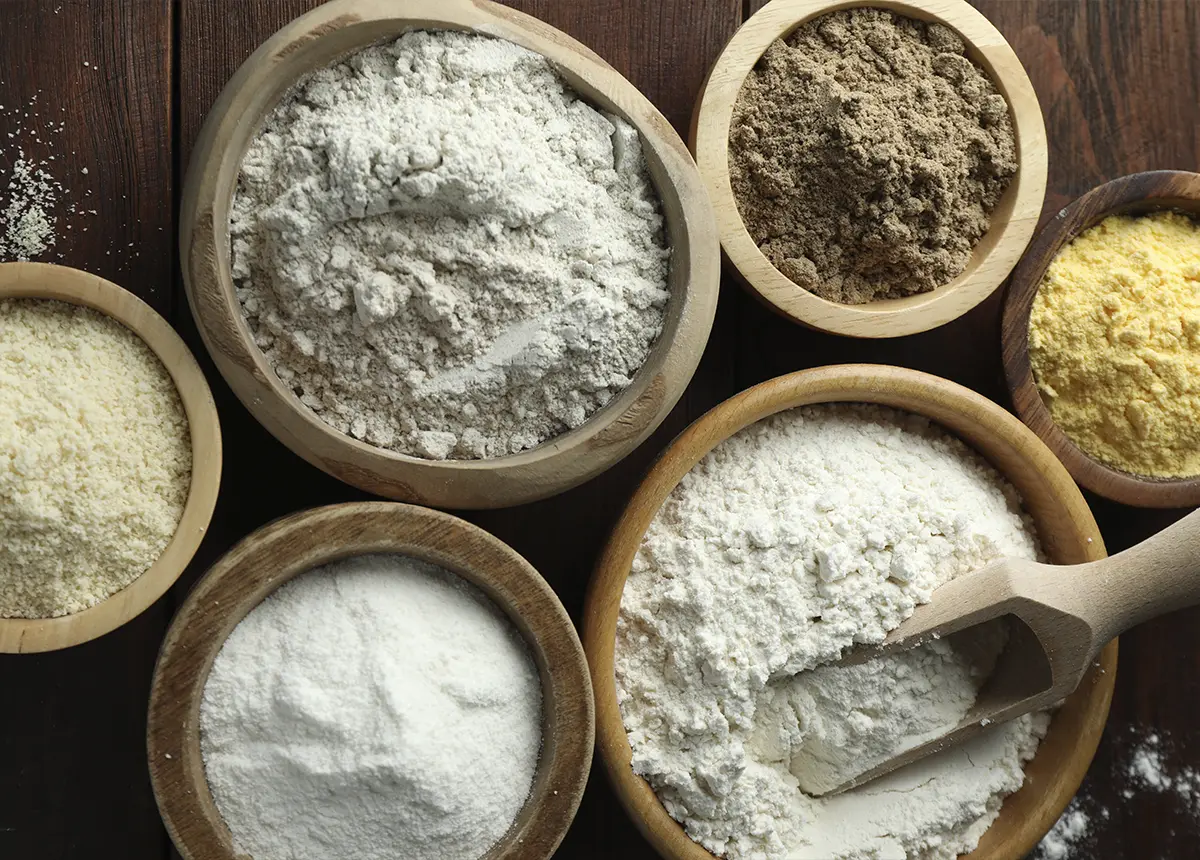
If you are new to gluten-free baking, one of the first things you will notice is that gluten-free flour behaves very differently from regular wheat flour. Recipes that work perfectly with wheat flour often need adjustments when made gluten-free, and the choice of flour can make a big difference to the final result.
Understanding how different gluten-free flours work is one of the most helpful skills you can develop in gluten-free cooking. If you’re just getting started, our gluten-free baking guide explains the basics of gluten-free baking and common ingredients.
In this guide, we will look at some of the most common gluten-free flours, how they are used, and how to choose the right flour for different types of baking.
(02)
Understanding Gluten
Why Gluten Free Flour
Is Different
In traditional baking, wheat flour contains a protein called gluten. When flour is mixed with water and worked into dough or batter, gluten forms elastic strands that give baked goods their structureThis structure helps bread rise, cakes hold together, and pastries develop their texture.
Because of this, gluten-free baking usually relies on a combination of different flours and starches rather than a single flour. Each ingredient plays a different role.
Once you understand how these ingredients work together, gluten-free baking becomes much easier and more reliable.
(03)
Essential Ingredients
Common Gluten-Free Flours
There are many gluten-free flours available, but most everyday recipes use a small number of common ingredients. Each flour has its own flavour, texture and best uses.
Rice Flour
Rice flour is one of the most widely used gluten-free flours. It is made from finely milled white or brown rice.
Because it has a fairly neutral flavour, rice flour is often used as the base for gluten-free flour blends. It provides structure without overpowering other ingredients.
Rice flour works well in:
On its own, rice flour can sometimes produce a slightly gritty texture, especially in baked goods. For this reason, it is often combined with starches such as tapioca or cornflour to create a smoother result.
Almond Flour
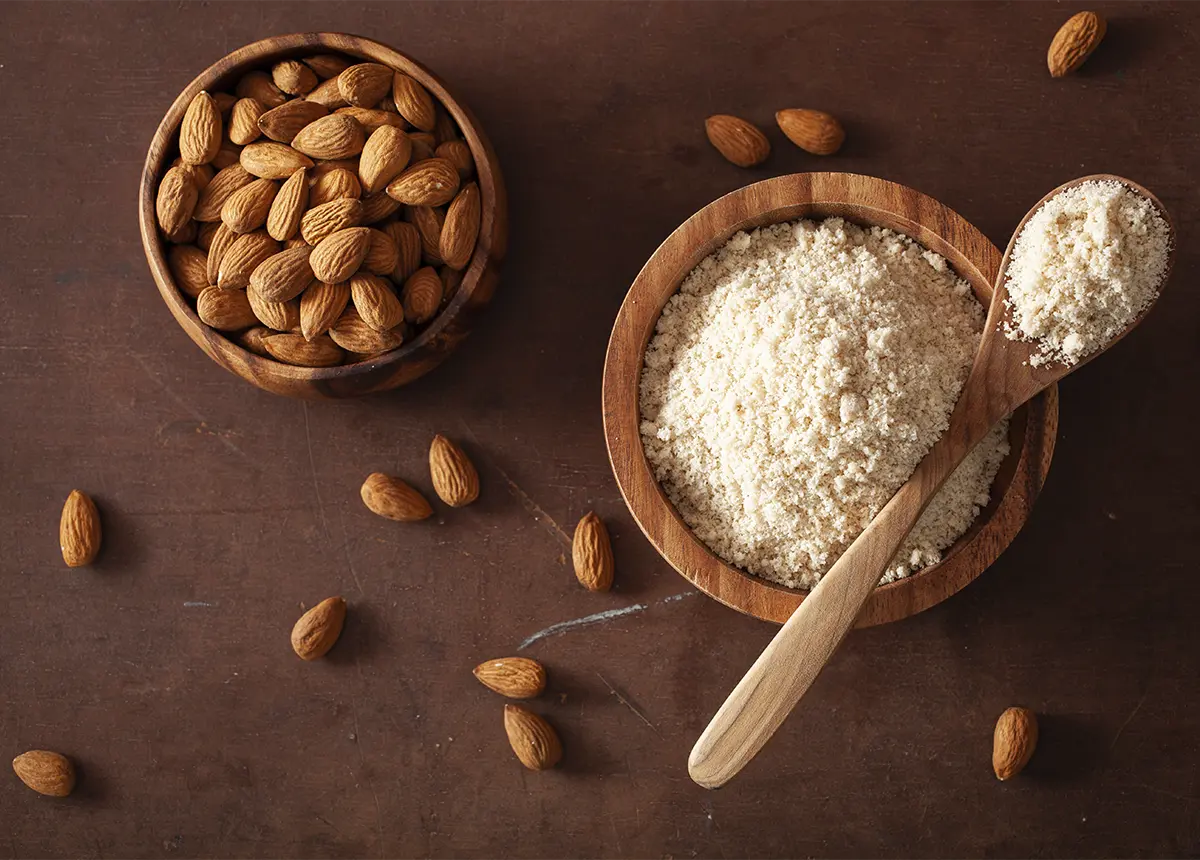
Almond flour (sometimes called ground almonds) is made from finely ground almonds.
It has a naturally rich flavour and a soft texture, which helps add moisture to baked goods. Because it contains natural oils, it can make cakes and biscuits particularly tender.
Almond flour is commonly used in:
However, almond flour behaves very differently from grain-based flours. It does not absorb liquid in the same way, so recipes designed specifically for almond flour usually work best.
Buckwheat Flour
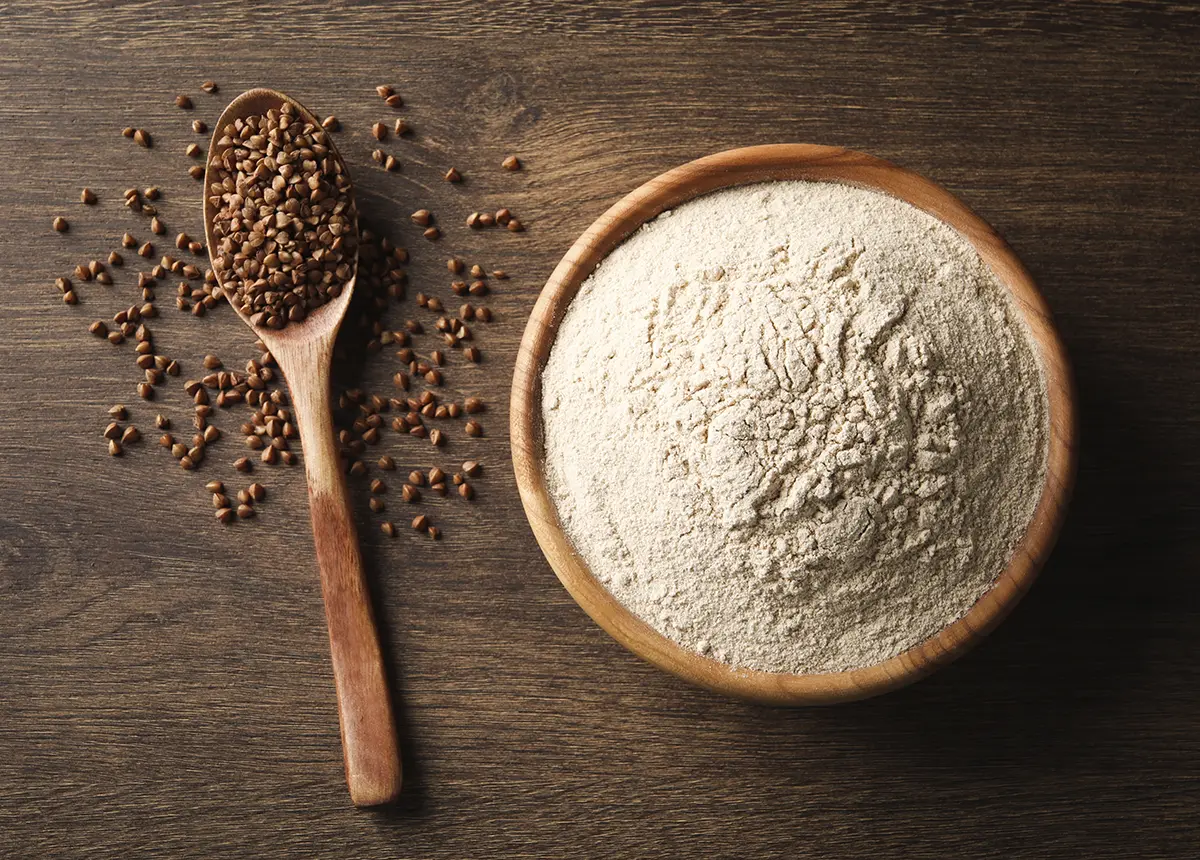
Despite the name, buckwheat is not related to wheat and is naturally gluten-free. It comes from a seed rather than a grain.
Buckwheat flour has a distinctive, slightly nutty flavour and a darker colour. It is often used in traditional recipes such as pancakes and rustic breads.
Buckwheat flour works well in:
Because of its strong flavour, it is often combined with milder gluten-free flours such as rice flour.
Oat Flour (Gluten-Free Oats)
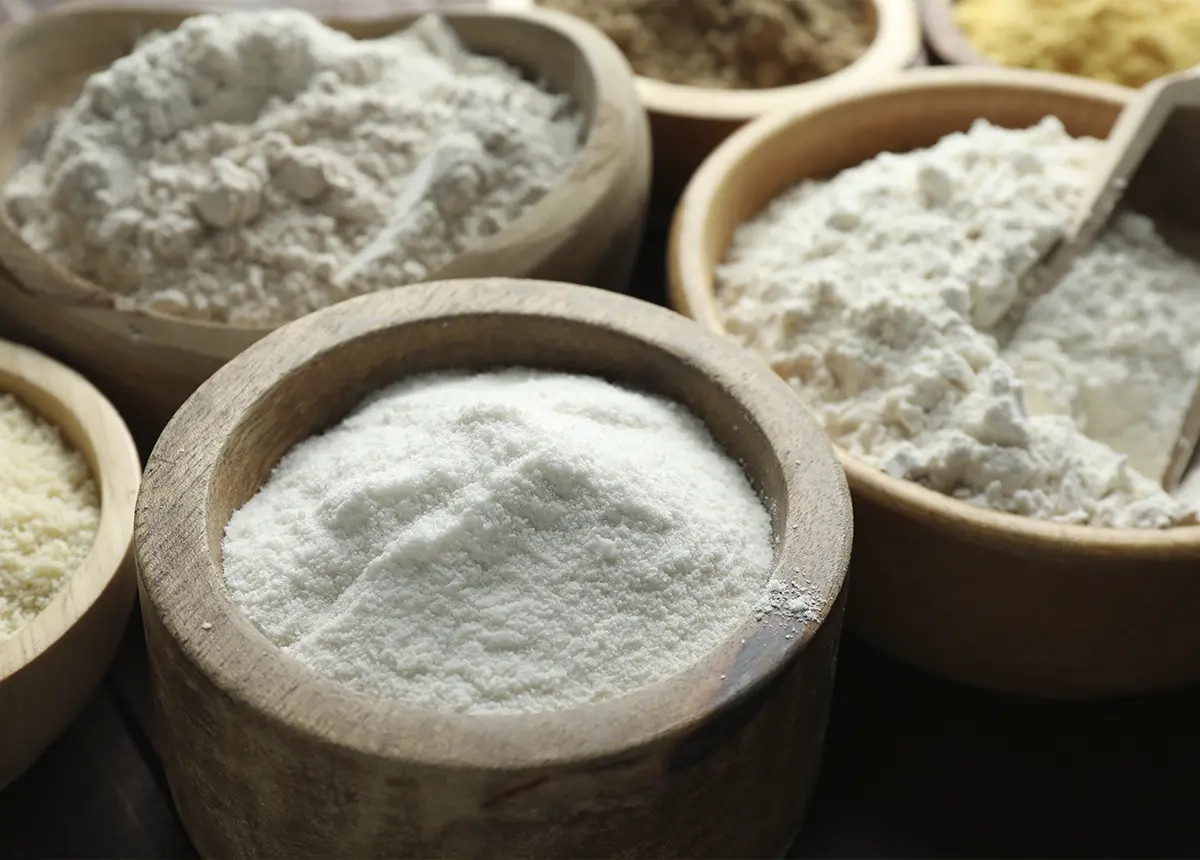
Oat flour is made from finely ground oats. It has a mild flavour and produces soft, tender baked goods.
When using oat flour in gluten-free baking, it is important to choose oats that are labelled gluten-free, as regular oats can sometimes be contaminated with wheat during processing.
Oat flour works well in:
It is also easy to make at home by blending gluten-free oats in a food processor.
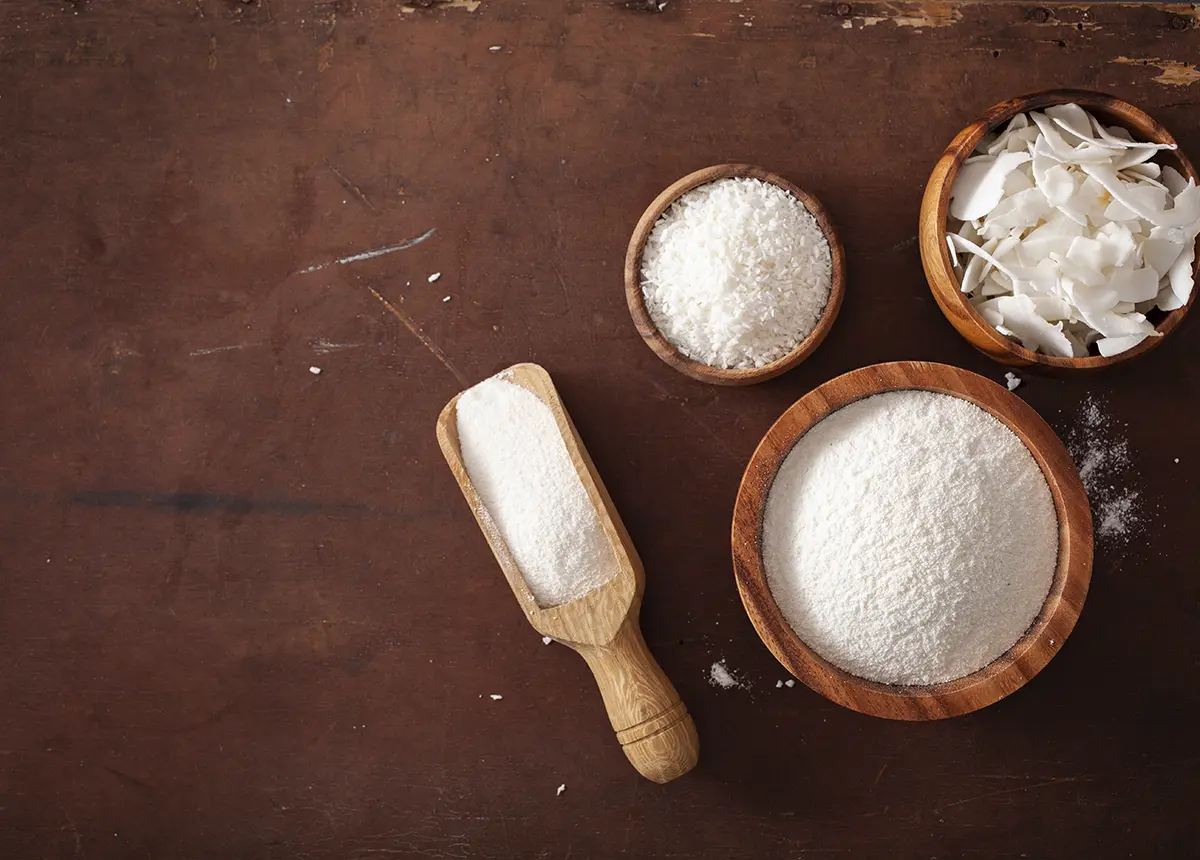
Coconut Flour
Coconut flour is made from dried coconut that has been finely ground. It has a very high fibre content and absorbs a large amount of liquid.
Because of this, coconut flour behaves very differently from most other gluten-free flours. Recipes using coconut flour typically require:
Coconut flour is often used in:
It also adds a subtle coconut flavour, which works well in sweet recipes.
Cornflour / Cornstarch
Cornflour (known as cornstarch in some countries) is a very fine white starch made from corn.
It does not provide much structure on its own but is extremely useful in gluten-free cooking because it helps create lighter textures.
Cornflour is commonly used for:
In baking, small amounts of cornflour can help make cakes softer and less dense.
Tapioca Starch
Tapioca starch is made from cassava root and is a common ingredient in gluten-free baking.
It helps improve elasticity and gives baked goods a slightly chewy texture. It is particularly useful in gluten-free bread recipes where some stretch is needed.
Tapioca starch is often used in:
In baking, small amounts of cornflour can help make cakes softer and less dense.
Gluten-Free Flour Blends
Because each gluten-free flour behaves differently, many recipes use gluten-free flour blends instead of a single flour.
A typical gluten-free flour blend usually combines:
Each ingredient plays a role.
Base flours provide body and flavour.
Starches help lighten the texture and prevent baked goods from becoming dense.
Binders help replicate the structure that gluten normally provides.
Many shop-bought gluten-free flour blends are designed to replace wheat flour in recipes. These can be convenient when starting out with gluten-free baking.
Over time, many home cooks also develop their own preferred flour combinations depending on the type of baking they do most often.
(04)
Choosing the Right Flour
When to Use Different Flours
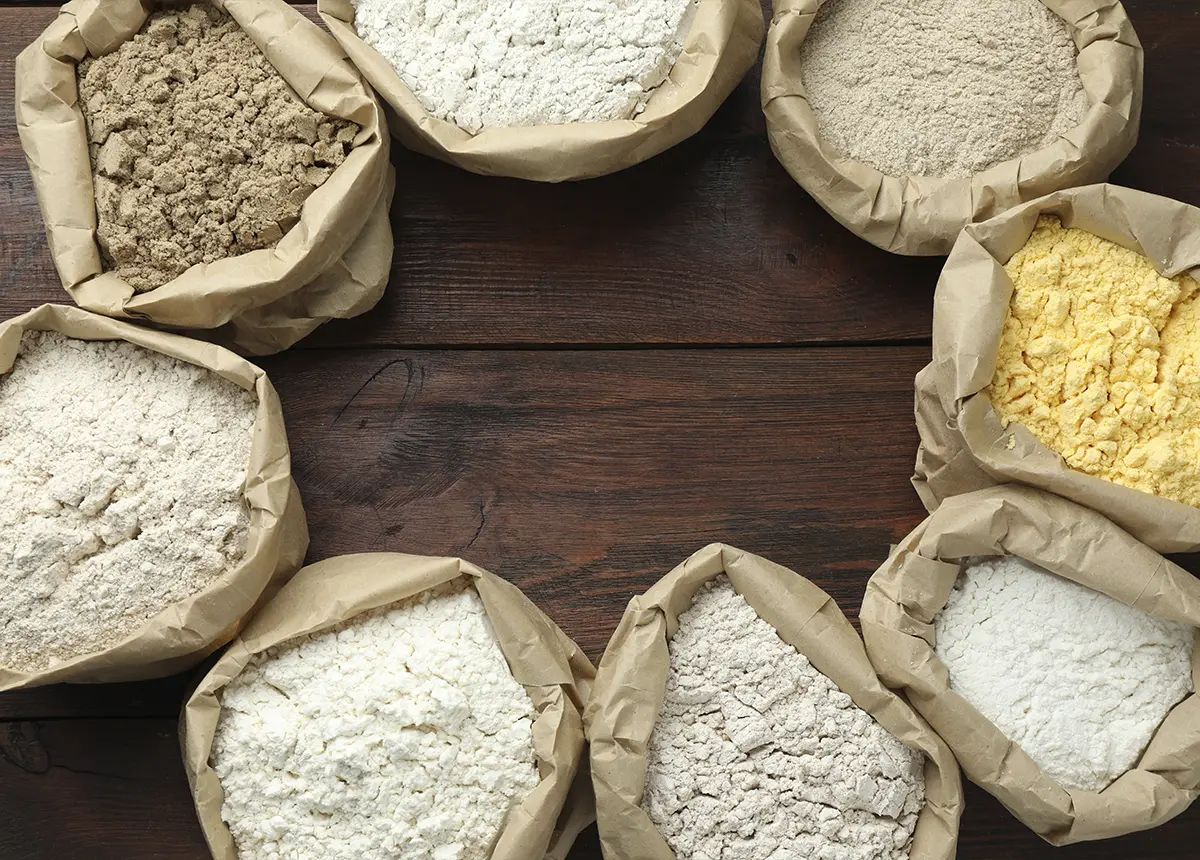
Choosing the right gluten-free flour can make baking much easier. Different recipes benefit from different flour combinations.
Cakes
Many cakes use a gluten-free flour blend, such as in our gluten-free banana bread recipe.
Good options include:
Using starches such as tapioca or cornflour helps prevent cakes from becoming dense.
Bread
Gluten-free bread recipes typically require a mix of several ingredients to create structure and elasticity.
Common ingredients include:
Because bread relies heavily on gluten in traditional baking, gluten-free bread recipes are usually more specialised than other baked goods.
Pancakes
Pancakes are one of the easiest things to make gluten-free.
Flours that work well include:
These flours produce soft pancakes with very little adjustment needed.
Biscuits and Cookies
For biscuits and cookies, slightly richer flours often produce the best texture.
Good choices include:
These flours help create tender biscuits that hold together well.
(04)
Practical Baking Tips
Tips for Better Gluten-Free Baking
Gluten-free baking can take a little practice, but a few simple tips can make a big difference.
Measure Flour Carefully
Gluten-free flours can behave very differently depending on how they are measured. Using kitchen scales for accurate measurements helps produce more consistent results.
Let Batter Rest
Allowing batter to rest for 10–20 minutes before baking can improve texture. This gives gluten-free flour time to absorb liquid properly, which can reduce grittiness.
Use a Reliable Flour Blend
If you are following a recipe designed for a gluten-free flour blend, it is usually best to stick with that type of flour rather than substituting a single flour.
Different flours absorb liquid in different ways, so changing ingredients can affect the final texture.
Avoid Dry Textures
Gluten-free baked goods can sometimes become dry.
To help avoid this:
These small adjustments can greatly improve the final result.
Conclusion
Gluten-free flour may seem complicated at first, but understanding the basics makes gluten-free baking much easier.
Different flours bring different qualities to a recipe. Some add structure, some provide moisture, and others help create a lighter texture. Because of this, many recipes use a combination of ingredients to achieve the best result.
By learning how common gluten-free flours work and experimenting with different blends, you can develop confidence in gluten-free cooking and create baked goods that are just as enjoyable as traditional recipes.
Over time, you will discover which flours work best for your favourite recipes and build a small pantry of reliable ingredients for everyday gluten-free baking.